Drywall Removal in Bergen County, NJ
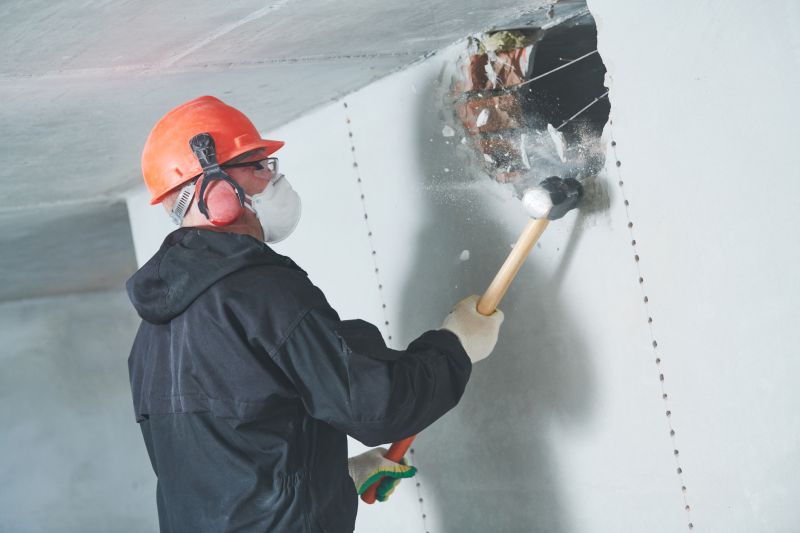
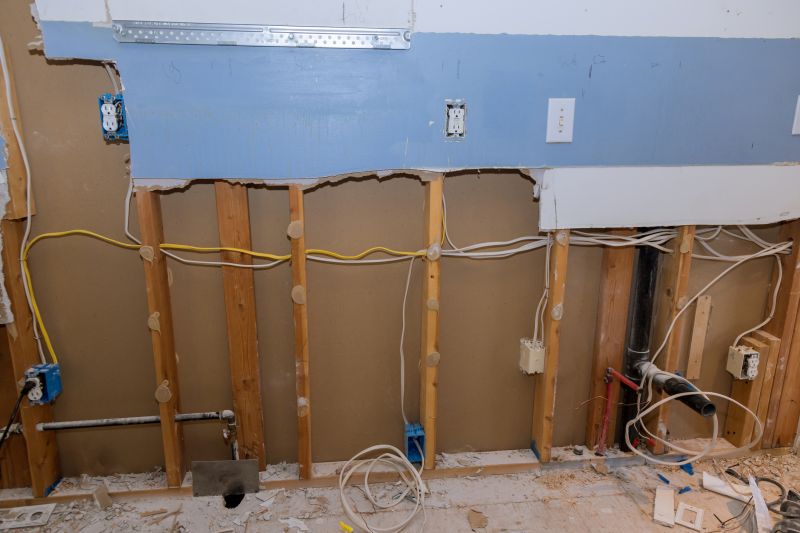
Drywall removal services involve the careful taking down of existing drywall surfaces in residential or commercial properties. This process is commonly requested for projects such as remodeling, room renovations, or preparing walls for new finishes. Property owners should understand that drywall removal can vary in scope, from removing small sections for repairs to complete wall or ceiling detachment. It is important to consider factors like the condition of the existing drywall, potential hidden issues behind walls, and the need for debris disposal when planning a removal project.
Before requesting drywall removal, property owners often want to know about the extent of demolition required, any necessary preparations, and how the removal might impact other structural elements. Understanding the process can help ensure the project aligns with renovation goals and that proper cleanup and disposal are included. Clarifying these details beforehand can help facilitate a smooth and efficient drywall removal, setting the stage for subsequent updates or repairs.
Many property owners in Bergen County, NJ look into Drywall Removal for repairs, replacements, upgrades, and appearance-related improvements.
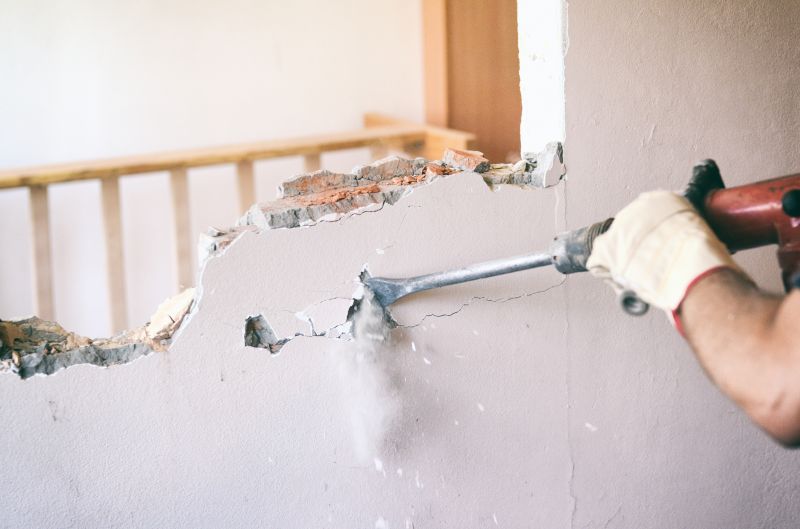
Residential Drywall Removal
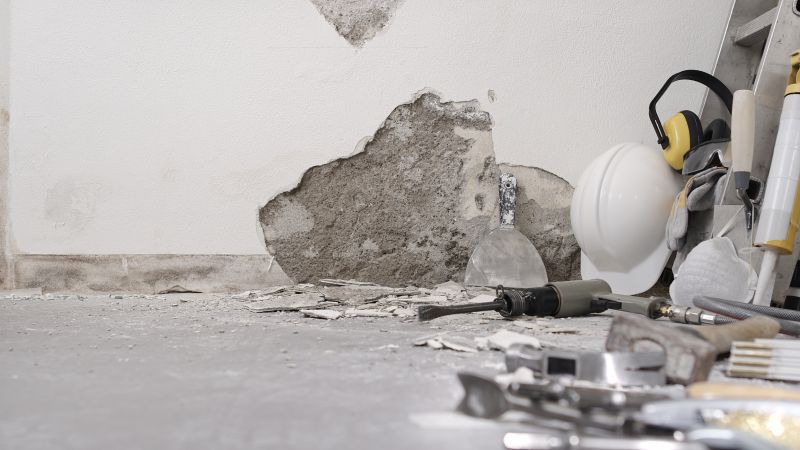
Removing old or damaged drywall to prepare for renovation or repair projects.
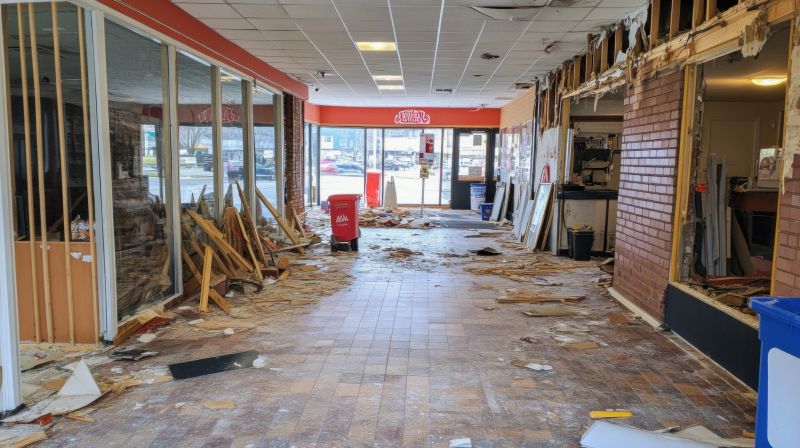
Commercial Drywall Demolition
Clearing out existing drywall in offices and retail spaces for upgrades or reconfigurations.
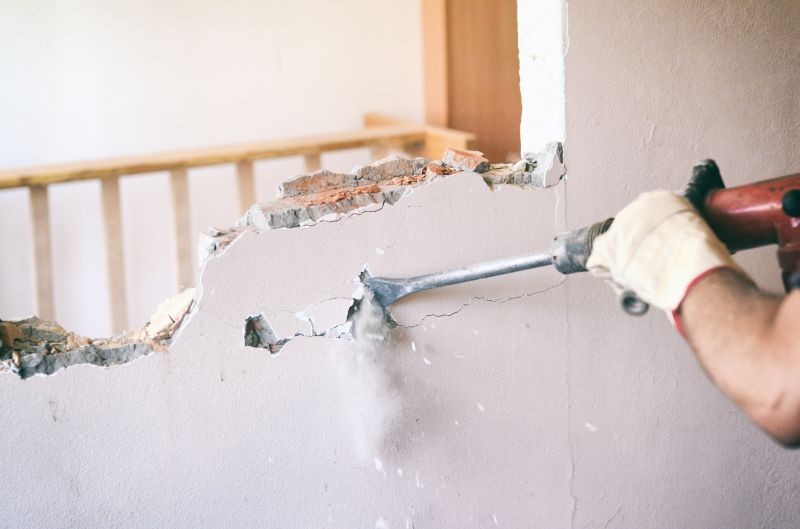
Specialized Drywall Disposal
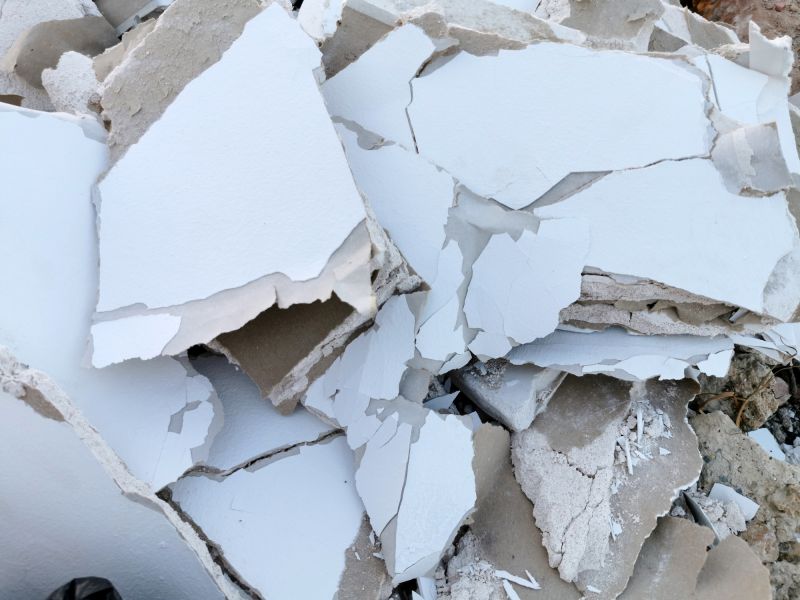
Properly disposing of drywall debris after renovation projects in bergen county and nearby areas.
Drywall Removal in Bergen County, NJ
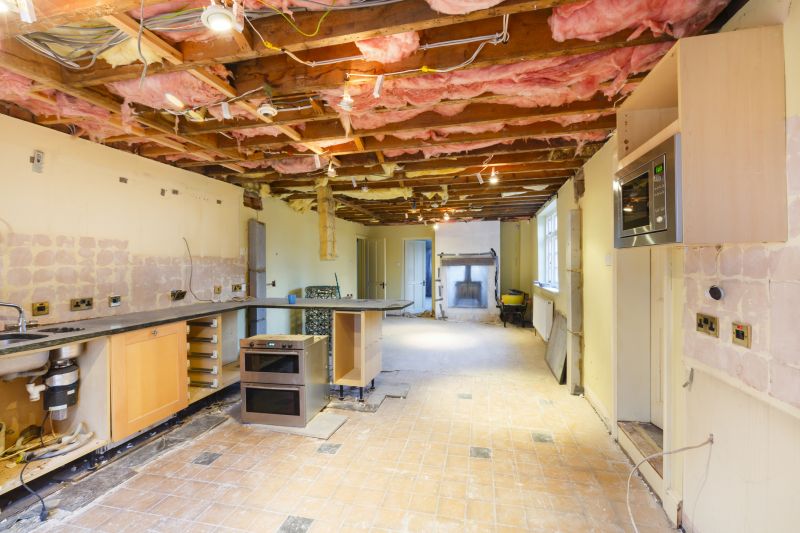
Drywall removal services involve the careful taking down of existing drywall surfaces in residential or commercial properties. This process is commonly requested for projects such as remodeling, room renovations, or preparing walls for new finishes. Property owners should understand that drywall removal can vary in scope, from removing small sections for repairs to complete wall or ceiling detachment. It is important to consider factors like the condition of the existing drywall, potential hidden issues behind walls, and the need for debris disposal when planning a removal project.
Before requesting drywall removal, property owners often want to know about the extent of demolition required, any necessary preparations, and how the removal might impact other structural elements. Understanding the process can help ensure the project aligns with renovation goals and that proper cleanup and disposal are included. Clarifying these details beforehand can help facilitate a smooth and efficient drywall removal, setting the stage for subsequent updates or repairs.
Many property owners in Bergen County, NJ look into Drywall Removal for repairs, replacements, upgrades, and appearance-related improvements.
Common Drywall Removal Jobs
Drywall Removal - Safe and efficient removal of damaged or outdated drywall surfaces.
Room Renovations - Preparing walls for new finishes during remodeling projects.
Water Damage Repair - Removing compromised drywall after leaks or flooding incidents.
Asbestos Abatement - Proper removal of drywall containing hazardous materials.
Fire Damage Restoration - Clearing burned or smoke-damaged drywall for property restoration.
Interior Demolition - Removing drywall to create open spaces or reconfigure room layouts.
Drywall Removal Questions
What does drywall removal involve? Drywall removal includes safely taking down existing drywall panels, often to prepare for renovations or repairs.
When is drywall removal needed? It is typically required during remodeling projects, water damage repairs, or to replace outdated or damaged drywall.
Is drywall removal messy? Some dust and debris are common, but proper containment and cleanup minimize the mess during the process.
Can drywall removal be part of a renovation? Yes, it is a common first step in updating walls, installing new finishes, or changing room layouts.
Request Drywall Removal in Bergen County, NJ
Use the quote form on this page to share the basics of your project and request more information for the type of work you need.